




AI wasn’t the biggest engine of U.S. economic growth in 2025

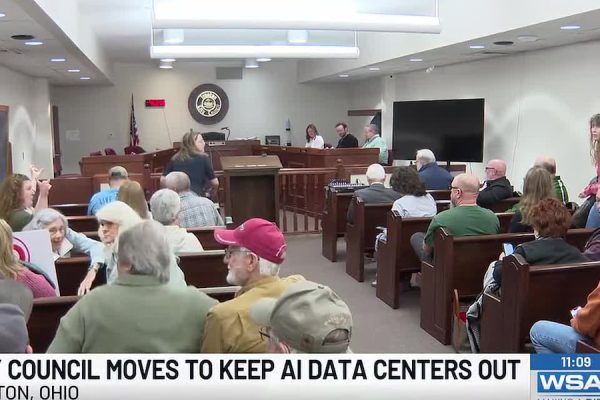
Meta’s 5-gigawatt “Hyperion” data center under construction in Richland Parish, Louisiana, January 9, 2026. Meta The popular narrative that artificial intelligence is the engine that keeps the U.S. economy alive appears exaggerated, according to recent analyses. The AI ​​boom has reshaped stock market valuations, driven large investments and record bond issuances to finance data centers,…

Read More

Zen-AI-Pentest: Open-source AI-powered penetration testing framework

Zen-AI-Pentest provides an open source framework for analyzing and testing systems using a combination of autonomous agents and standard security utilities. The project aims to enable users to execute an orchestrated sequence of reconnaissance, vulnerability analysis, exploitation and reporting using AI guidance and industry tools such as Nmap and Metasploit. It is written to support…

Read More

How Will The Military Use Quantum Artificial Intelligence? Quantum AI May Reshape Military Planning Before It Reaches the Battlefield

Insider Brief A new military-focused study suggests quantum artificial intelligence is unlikely to arrive first as a weapon but could influence military planning, simulation and operational management long before quantum systems are deployed in combat. The researchers identify potential uses for quantum AI in areas such as drone coordination, logistics optimization, battlefield simulation and data…

Read More

Will AI kill the smartphone?

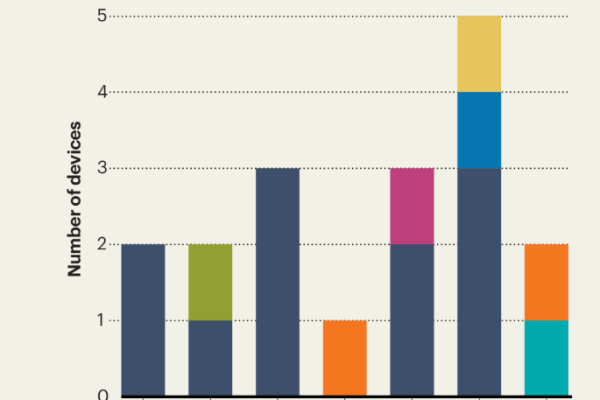
Life without a smartphone may seem unimaginable, but AI giants are planning to scrap this ubiquitous gadget. “The race to overthrow the smartphone is on,” said The economistand the next generation of AI-powered devices intended to replace it could radically change our lives. Breaking the duopoly Over the past 20 years, the smartphone “has come…

Read More

Making AI smarter without more training data | UCR News

A study by UC Riverside researchers offers a practical solution to one of artificial intelligence’s toughest challenges by enabling AI systems to reason more like humans, without requiring new training data beyond testing questions. In a preprint paper entitled “Test-Time Matching: Unlocking Compositional Reasoning in Multimodal Models”, assistant professor Yinglun Zhu and students introduce a…

Read More